
Haworthia – decorative and easy-care succulent plants
The genus Haworthia is one of the most popular groups of succulent houseplants. These plants are especially valued for their compact growth, unique leaf patterns, and low maintenance requirements. Haworthias belong to the Asphodelaceae family and originate from South Africa, where they grow naturally in dry, rocky habitats.
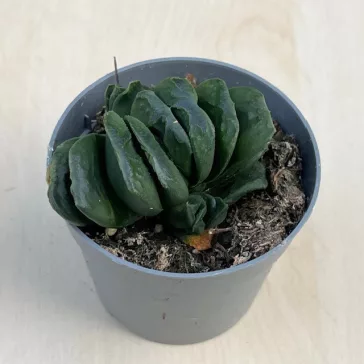
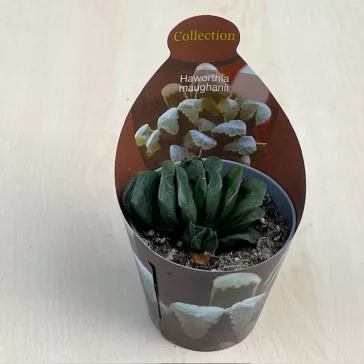
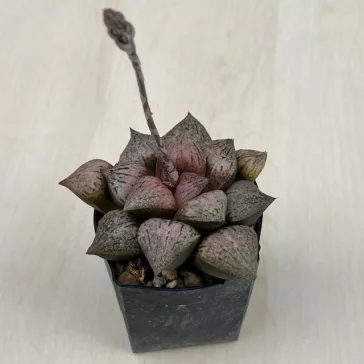
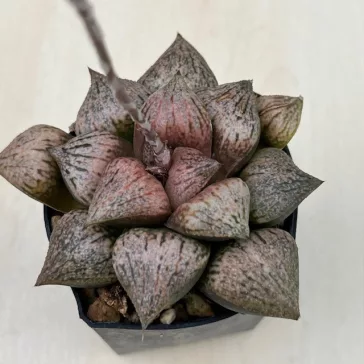
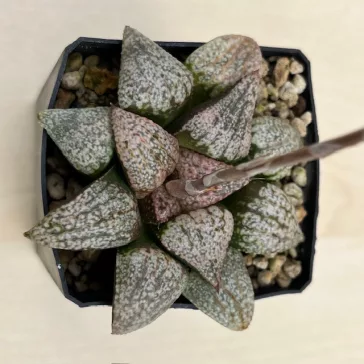
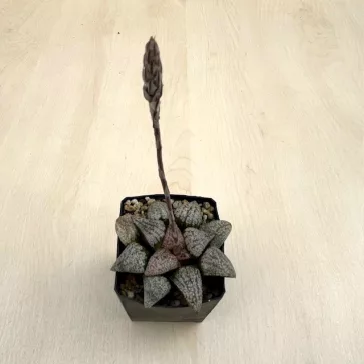
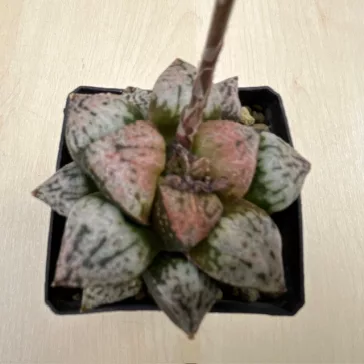
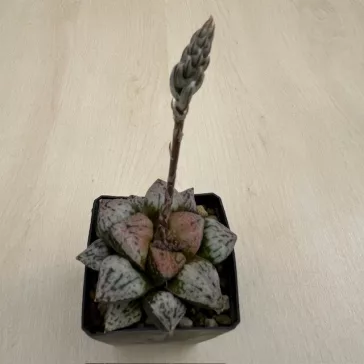
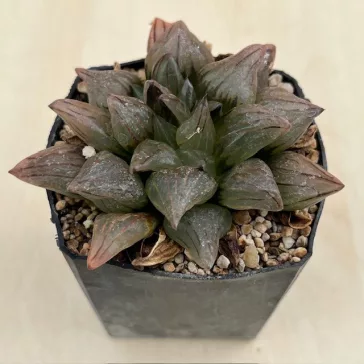
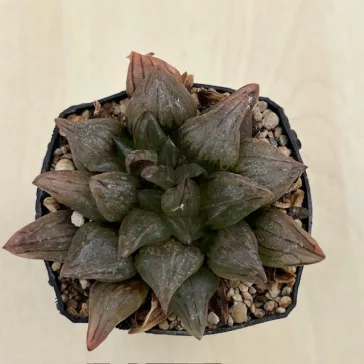
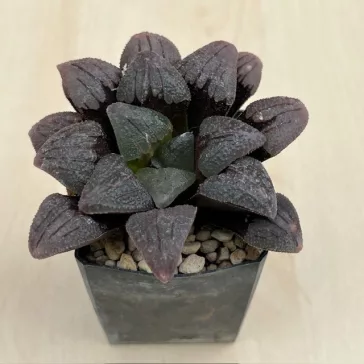
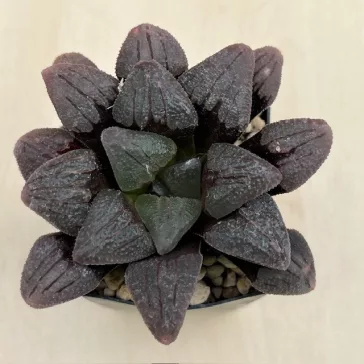
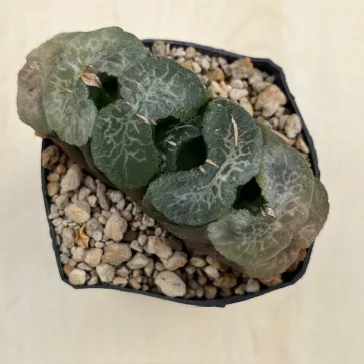
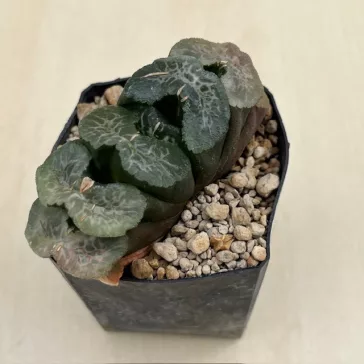
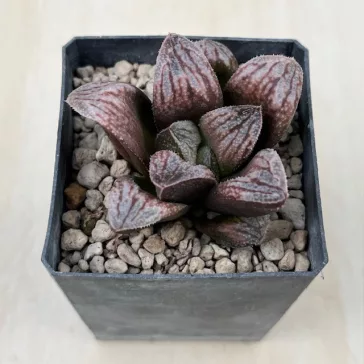
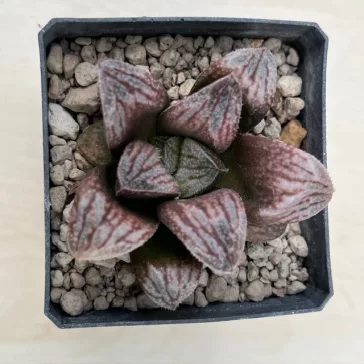
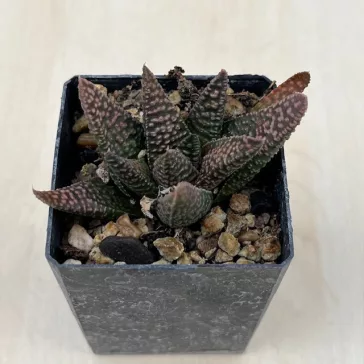
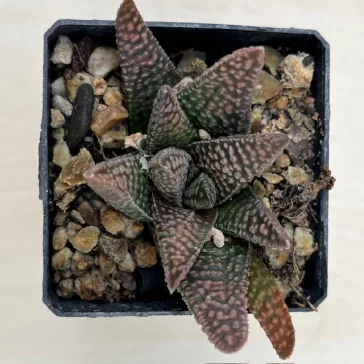
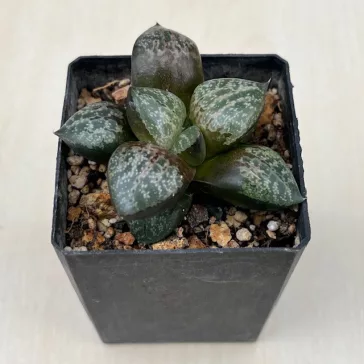
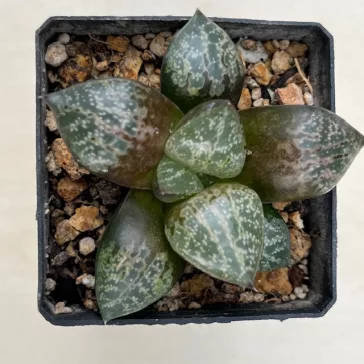
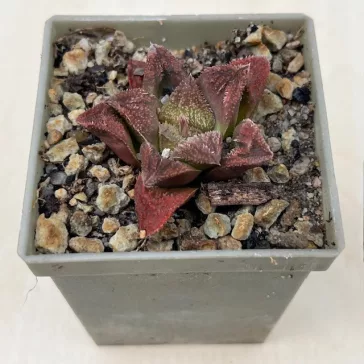
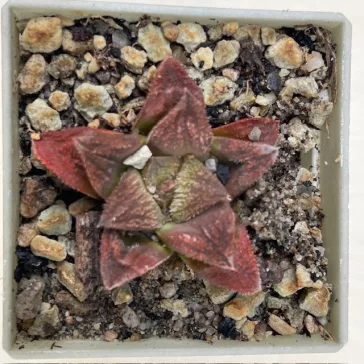
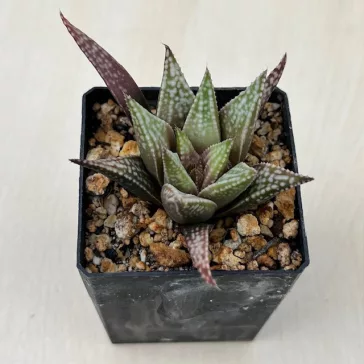
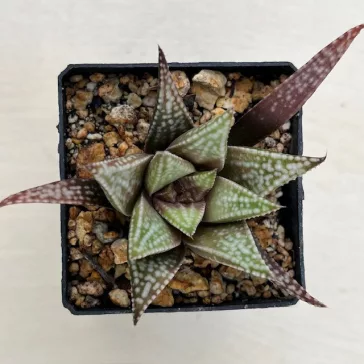
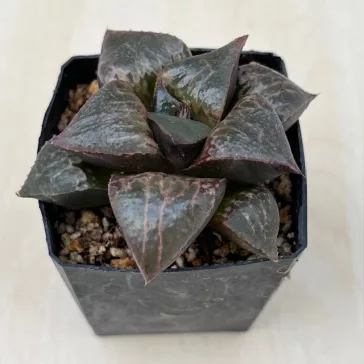
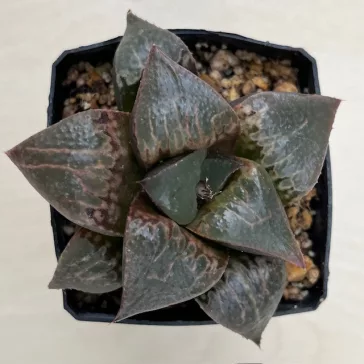
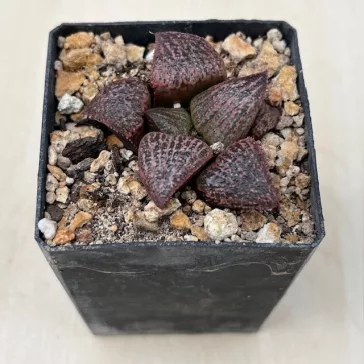
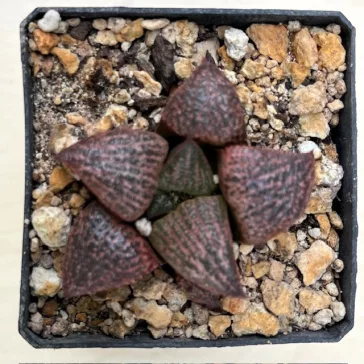
Most haworthias form small rosettes of thick, fleshy leaves that store water. The leaves often display beautiful textures and markings, including white stripes, dots, or translucent “windows.” Because of these striking features, haworthias are highly decorative and popular among plant collectors. Well-known species include Haworthia attenuata, Haworthia cooperi, and Haworthia fasciata.
Why are Haworthia plants so popular?
Haworthias are considered excellent beginner-friendly houseplants. They adapt well to indoor conditions and require minimal care. Because of their small size, they are perfect for:
- desks and workspaces
- shelves
- windowsills
- small decorative plant arrangements
They are also slow-growing plants, which means they maintain their compact shape for a long time.


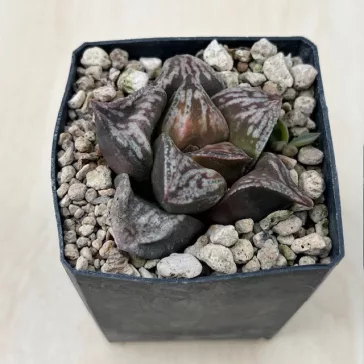
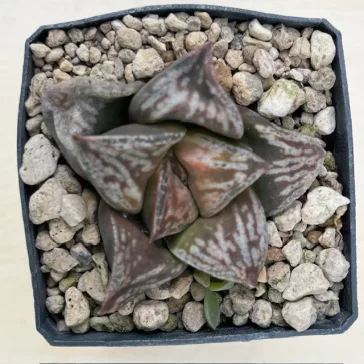
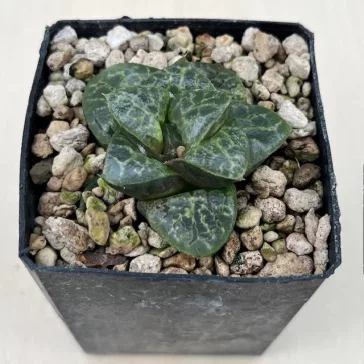
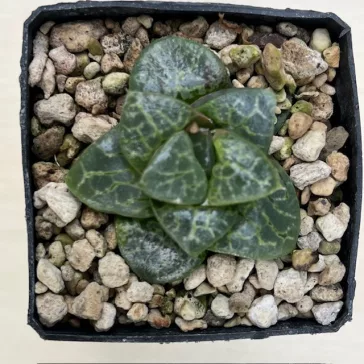
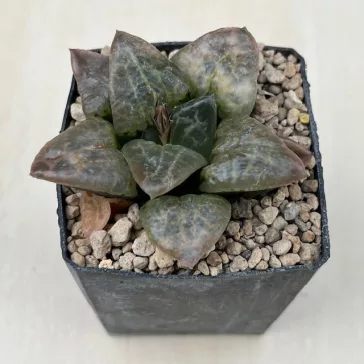
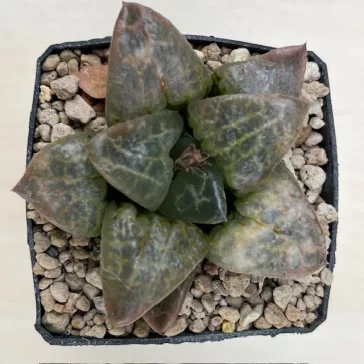
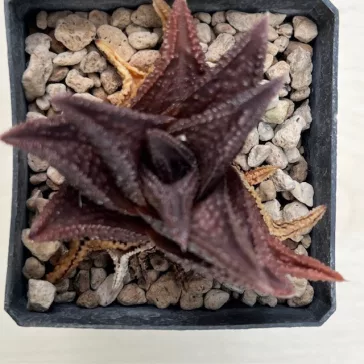
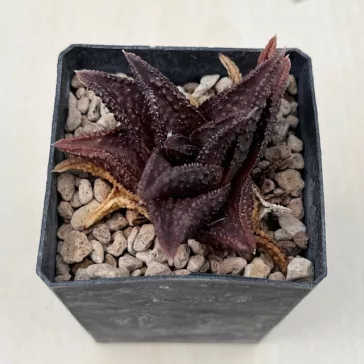
Light and watering
Plants in the Haworthia genus prefer bright locations with indirect light. Strong direct sunlight can damage the leaves, so filtered or diffused light is ideal indoors.
Watering should be moderate. Like most succulents, the soil should dry out completely between waterings. Overwatering can lead to root rot, so well-draining soil is essential.
Soil and care
Haworthias grow best in a well-draining cactus or succulent soil mix, often containing sand, perlite, or small gravel to improve drainage.
Under good conditions, they may produce slender flower stalks with small white flowers during spring or summer.
Haworthia as a houseplant
The Haworthia genus is an excellent choice for anyone looking for decorative, easy-care succulent houseplants. Their compact size, interesting textures, and low water requirements make them perfect for modern homes, offices, and small plant collections.
